
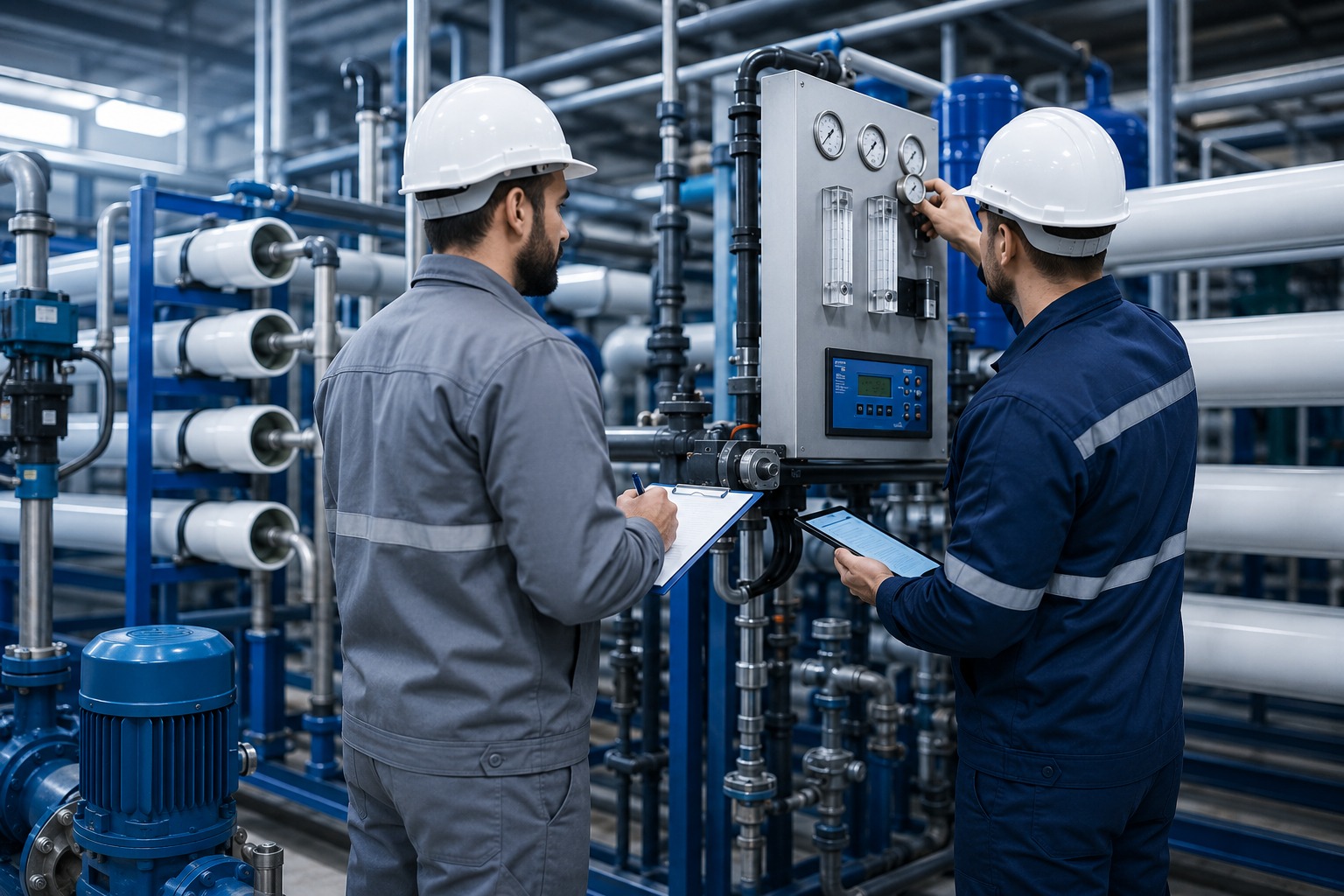
A Reverse Osmosis (RO) plant is one of the most important investments for industries that require high-quality purified water. Whether you’re in manufacturing, pharmaceuticals, food processing, hospitality, healthcare, or commercial operations, your RO system plays a critical role in ensuring smooth production and protecting expensive equipment.
However, like any industrial system, an RO plant requires regular maintenance to operate efficiently. Ignoring early warning signs can lead to poor water quality, increased operating costs, membrane damage, unexpected downtime, and even complete system failure.
The good news? Most RO plant problems don’t happen overnight. Your system usually gives several warning signs before a major breakdown occurs.
In this guide, we’ll cover the 10 most common signs your RO plant needs maintenance, explain why they happen, and show you how preventive servicing can save your business time and money.
Why Regular RO Plant Maintenance Matters
Many businesses wait until their RO plant stops working before calling a technician. Unfortunately, by that stage, repairs are often more expensive and production may already be affected.
Routine maintenance helps you:
- Maintain consistent water quality
- Extend membrane lifespan
- Reduce electricity consumption
- Prevent costly emergency repairs
- Improve system efficiency
- Minimize production downtime
- Increase the lifespan of pumps, filters, and valves
A well-maintained RO plant can provide reliable performance for many years while keeping operating costs under control.
1. Poor Water Quality
One of the first signs that your RO plant requires maintenance is a noticeable drop in water quality.
If laboratory reports or TDS (Total Dissolved Solids) readings begin increasing, your system may no longer be removing contaminants effectively.
Possible causes include:
- Fouled RO membranes
- Damaged membranes
- Clogged pre-filters
- Incorrect chemical dosing
- Membrane scaling
Poor water quality can affect manufacturing processes, reduce product quality, and even damage sensitive industrial equipment.
Regular water testing helps identify problems before they become critical.
2. Reduced Water Production
Has your RO plant started producing less water than usual?
Reduced production is a common indication that the system is struggling. Common reasons include:
- Blocked membranes
- Clogged sediment filters
- Low feed water pressure
- Pump performance issues
- Scale buildup inside the membranes
Ignoring reduced output often results in higher operating pressure and accelerated membrane wear.
3. High TDS Levels
A properly functioning RO plant should consistently produce low-TDS purified water.
If you notice TDS readings gradually increasing, it usually indicates that contaminants are passing through the membrane instead of being rejected.
Higher TDS levels often suggest:
- Membrane deterioration
- Membrane fouling
- Seal leakage
- Incorrect operating pressure
Routine monitoring of TDS is one of the simplest and most effective ways to monitor your RO plant’s health.
4. Cracking Pump Noise or Vibrations
Industrial pumps normally operate with a smooth and consistent sound. If you hear:
- Grinding noises
- Loud vibrations
- Knocking sounds
- Sudden changes in motor noise
Your RO plant requires immediate inspection. Possible causes include:
- Worn bearings
- Pump cavitation
- Loose components
- Air entering the system
- Motor alignment issues
Addressing these problems early can prevent expensive pump replacements.
5. Increased Operating Pressure
RO systems naturally require pressure to force water through membranes.
However, when operating pressure starts increasing beyond normal levels, it’s often caused by:
- Membrane fouling
- Scale deposits
- Blocked cartridges
- Restricted water flow
Higher pressure means your pumps work harder, increasing electricity consumption and accelerating equipment wear.
Routine cleaning and membrane servicing can restore normal pressure levels.
6. Frequent Membrane Fouling
RO membranes are designed to remove dissolved salts, minerals, and impurities. Over time, however, contaminants can accumulate on the membrane surface.
Signs of membrane fouling include:
- Lower flow rates
- Increased pressure
- Reduced water quality
- Higher energy usage
Regular membrane cleaning (CIP – Clean-in-Place) removes these deposits and restores system performance.
Ignoring fouled membranes significantly shortens their lifespan.
7. Sudden Increase in Electricity Consumption
If your electricity bills have increased without any major production changes, your RO plant could be the reason.
When components become dirty or inefficient, pumps require more energy to maintain the same water output.
Common causes include:
- Dirty membranes
- Blocked filters
- High operating pressure
- Inefficient pumps
A professional maintenance inspection often identifies simple issues that can significantly reduce energy consumption.
8. Water Leaks Around the System
Even small water leaks should never be ignored. Leaks may indicate:
- Damaged O-rings
- Loose fittings
- Cracked housings
- Faulty valves
- Pipe corrosion
Besides wasting water, leaks can damage electrical equipment, reduce system pressure, and increase operating costs.
Regular inspections help detect leaks before they become major repairs.
9. Filters Are Frequently Clogging
Pre-filters protect your RO membranes by removing suspended particles before water enters the system.
If filters clog much faster than normal, it could indicate:
- Poor feed water quality
- Inadequate pretreatment
- High sediment levels
- Biological contamination
Replacing filters without addressing the root cause only provides a temporary solution.
A water treatment specialist can identify the underlying issue and recommend corrective measures.
10. It’s Been More Than Six Months Since Your Last Service
One of the biggest warning signs is simply neglecting scheduled maintenance.
Many industrial RO systems operate continuously under demanding conditions. Even if everything appears normal, internal components gradually wear over time.
Professional servicing typically includes:
- Membrane inspection
- Pressure testing
- TDS analysis
- Pump inspection
- Filter replacement
- Valve inspection
- Chemical cleaning
- System calibration
- Leak detection
- Performance evaluation
Preventive maintenance is always more affordable than emergency repairs.
Best Practices to Extend the Life of Your RO Plant
To maximize the performance and lifespan of your RO system, follow these maintenance tips:
- Monitor TDS levels
- Replace sediment and carbon filters on
- Clean RO membranes when
- Inspect pumps, valves, and pipelines for
- Record pressure and flow
- Ensure proper chemical
- Schedule preventive maintenance with qualified
- Use genuine replacement parts and high-quality
- Train operators to identify early warning
- Consider an Annual Maintenance Contract (AMC) for routine servicing and emergency
These practices improve reliability, reduce operating costs, and help prevent unexpected downtime.
Frequently Asked Questions (FAQs)
How often should an industrial RO plant be serviced?
Most industrial RO plants should undergo routine inspections every three to six months. However, the maintenance schedule depends on water quality, operating hours, and system capacity.
What happens if RO membranes are not cleaned?
Dirty membranes reduce water production, increase energy consumption, raise TDS levels, and eventually require premature replacement.
Can poor maintenance affect product quality?
Yes. Poorly maintained RO systems may produce water that doesn’t meet the required purity standards, potentially affecting manufacturing processes and product quality.
Is an AMC worth it for industrial RO plants?
Absolutely. An Annual Maintenance Contract (AMC) helps prevent unexpected breakdowns, ensures regular servicing, reduces repair costs, and extends the lifespan of your equipment.
Conclusion
Your RO plant is the backbone of your water treatment process, and maintaining it properly is essential for consistent performance and long-term cost savings. Warning signs such as poor water quality, rising TDS levels, cracking pump noises, higher operating pressure, reduced water production, or rising electricity costs should never be ignored.
By investing in preventive maintenance and regular inspections, businesses can avoid costly downtime, improve operational efficiency, and significantly extend the life of their RO systems.
A proactive maintenance approach isn’t just about preventing failures—it’s about ensuring your business continues to operate smoothly with reliable, high-quality water every day.
Keep Your RO Plant Running at Peak Performance with Alrayan
At Alrayan, we provide comprehensive RO Plant Maintenance, Annual Maintenance Contracts (AMC), membrane cleaning, filter replacement, troubleshooting, and complete servicing for industrial and commercial water treatment systems across the UAE in Dubai, Sharjah, Ajman, RAK and other GCC regions.
Our experienced engineers use advanced diagnostic tools and genuine components to keep your RO plant operating at maximum efficiency while minimizing downtime and operating costs.
Whether you need routine servicing, emergency repairs, or a customized AMC, Alrayan is your trusted partner for reliable water treatment solutions. Contact us today to schedule a professional RO plant inspection and keep your system performing at its best.