
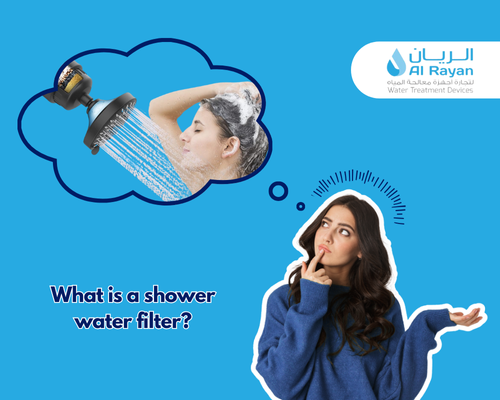
Shower Water Filter FAQs help you understand how shower filters work, why they are used, and how they improve water quality. Many households deal with chlorine, sediments, and other impurities in tap water that can affect skin and hair health over time.
A shower water filter is designed to improve your bathing water by reducing these unwanted substances. It helps make the water cleaner, softer, and safer for daily use, especially in areas with hard water or high chlorine levels.
Shower filters work by using filtration media such as activated carbon or KDF. These materials reduce chlorine, heavy metals, and other contaminants before the water reaches your body. This process helps improve overall water quality without affecting water pressure.
One of the main benefits of using a shower water filter is better skin and hair health. Chlorine in water can strip natural oils, leading to dryness, irritation, and dull hair. By reducing these chemicals, a shower filter helps maintain natural moisture and improves comfort during bathing.
Another important benefit is odor reduction. Tap water sometimes carries an unpleasant smell due to chemicals or impurities. A shower filter helps remove these odors, making your shower experience more fresh and enjoyable.
Most shower water filters are very easy to install. They can be attached directly to your existing shower setup without any tools. This makes them a simple and affordable upgrade for improving water quality at home.
Typically, a shower water filter lasts between 3 to 6 months depending on usage and water conditions. Regular replacement is important to ensure consistent performance and clean water flow.
Overall, Shower Water Filter FAQs show that these filters are a practical solution for improving daily bathing water. They support healthier skin, softer hair, and a more comfortable shower experience for the whole family.
